Where policy meets communication: the Global Think-tank on SLD at the Global Obesity Forum and the WHO Global Obesity Summit
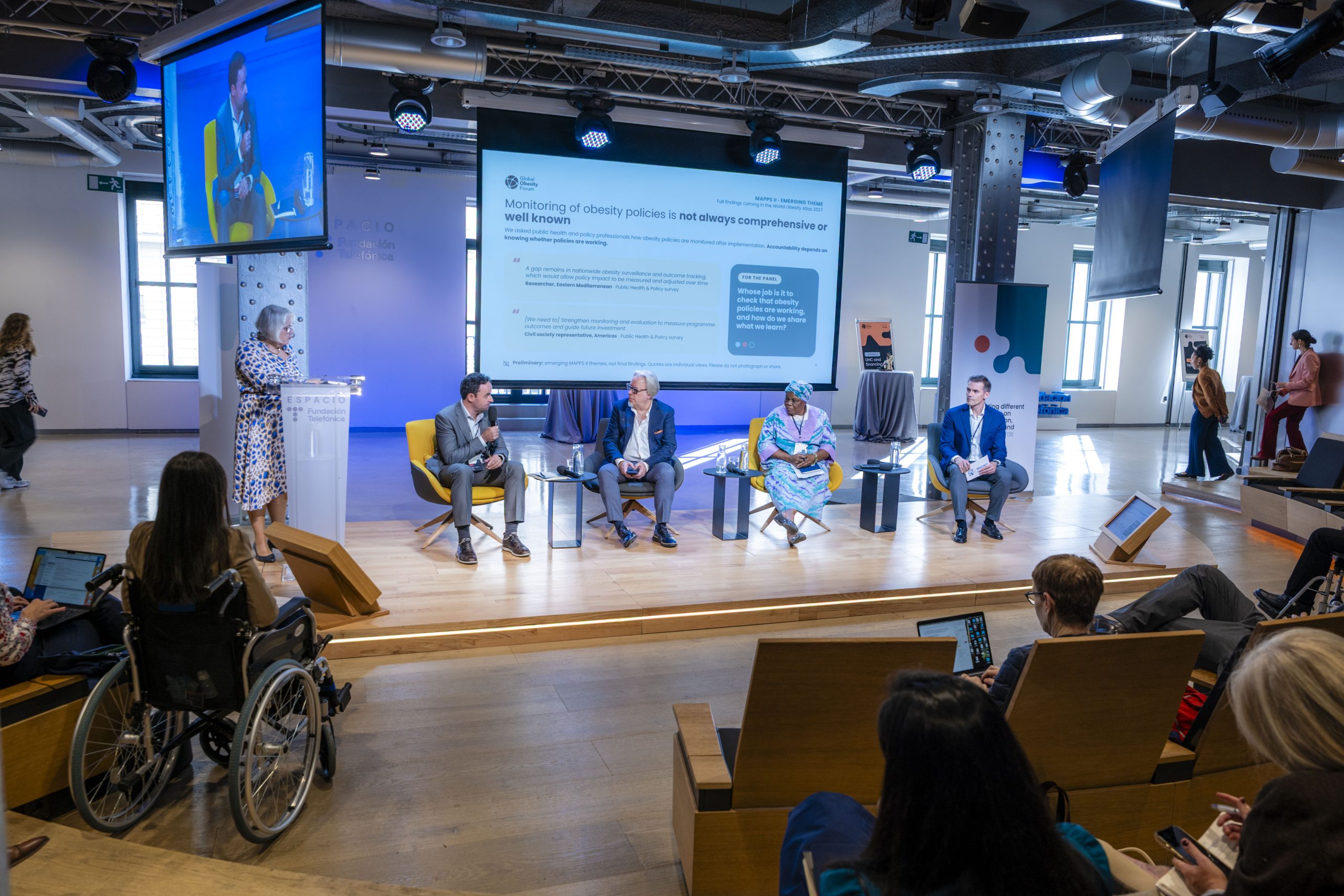
In late October, the Global Think-tank on Steatotic Liver Disease joined two of the year’s key obesity meetings in Madrid. Delfina Boudou and Anthony Armenta attended the World Obesity Federation’s Global Obesity Forum, and Armenta continued on to the second day of the invitation-only Global Obesity Summit, co-hosted by the World Health Organization and the Government of Spain, in collaboration with UNICEF and the World Bank.
The summit’s third day, which was to include a high-level political segment, was cancelled following the train crash in Spain. Our thoughts are with everyone affected.
The policies are known. Moving them is the challenge.
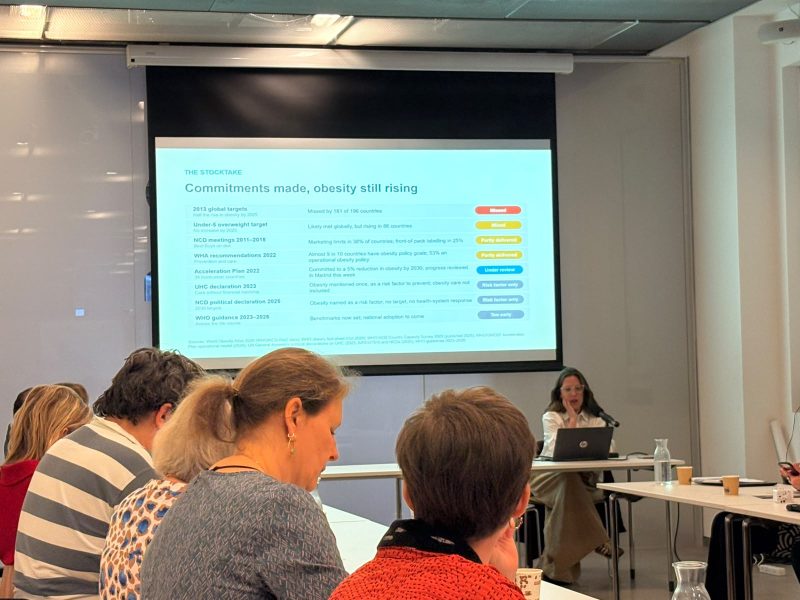
Magdalena Wetzel (Head of Policy & Advocacy, World Obesity Federation) presents stocktake during a media session held before the kick-off of the Global Obesity Forum in Madrid, Spain.
One message carried across both meetings: the policy menu for obesity already exists. What holds it back is getting it adopted, funded and sustained.
At the Forum, Magdalena Wetzel, Head of Policy and Advocacy at the World Obesity Federation, described how policies stall: calls for “more evidence” in place of regulation, watered-down designs, and debates framed around personal choice. Only eight countries have mandatory national rules on digital food marketing to children, and obesity rarely features in UHC discussions. Speakers also set out what real accountability requires: who answers, for what, who judges, and what happens if commitments are missed.
Each of these is a policy problem. Each is also a communication problem.
What the stocktake showed
On the second day, WHO presented a stocktake of its Acceleration Plan to Stop Obesity across 28 frontrunner countries. Progress is real: 26 of 28 countries moved at least one policy forward in four years. In the four countries where adult or child obesity is now falling, prevention and care moved together, though WHO stressed that this is an association based on small numbers.
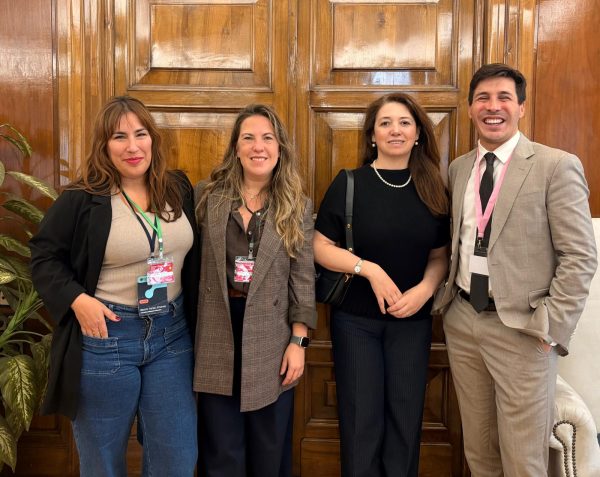
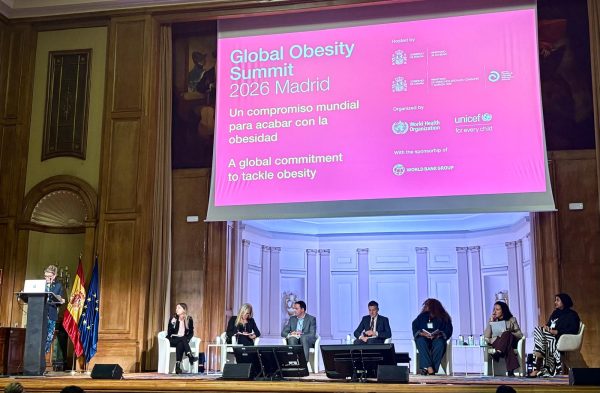
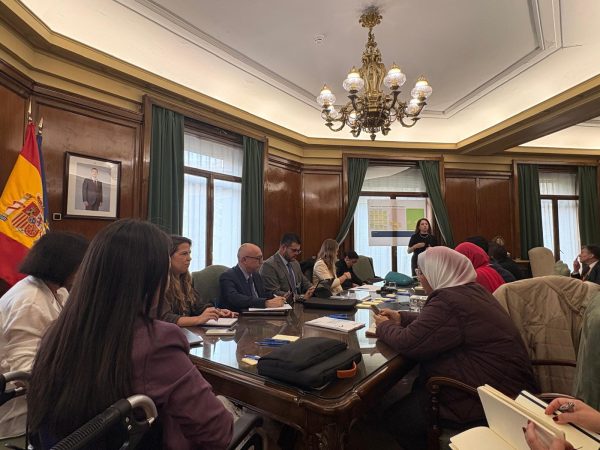
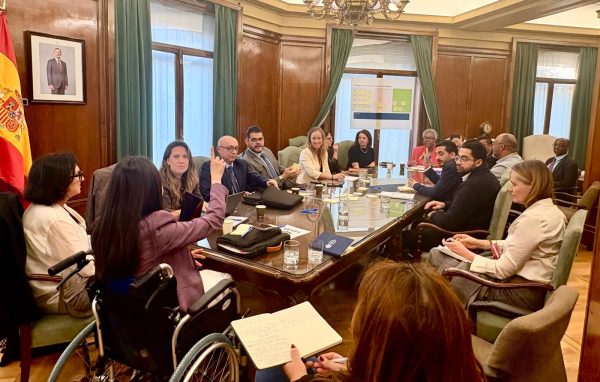
Anthony Armenta (Communications lead, Global Think-tank on Steatotic Liver Disease) alongside Vanessa Garcia-Larsen (Chief, Risk Factors and Nutrition Unit, Pan American Health Organization), Magdalena Wetzel (Head of Policy & Advocacy, World Obesity Federation) and Beatriz Yáñez Jiménez (Senior Manager, Advocacy and Community Engagement, International Diabetes Federation) during Working Group session at Global Obesity Summit, Day 2.
Countries reported stakeholder engagement and industry resistance among the blockers in the early stages of policymaking, and clear roles across sectors as a leading enabler. Strategic communication now has its own working group shaping Phase 4 (2026 to 2030), and one breakout warned that technical language can shut down the cross-sector conversations that policy depends on.
Awareness needs credible champions
At the Forum, Armenta led a breakout session on behaviour change communication. Participants named complex academic language and information that isn’t always actionable as barriers, and kept returning to one answer: relevant, credible and well-informed champions who can carry the message to communities and policymakers.
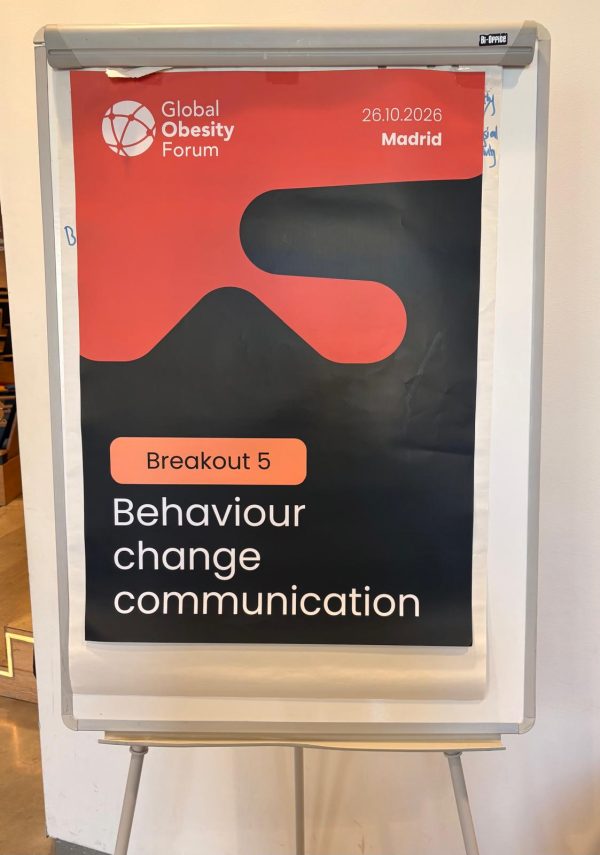

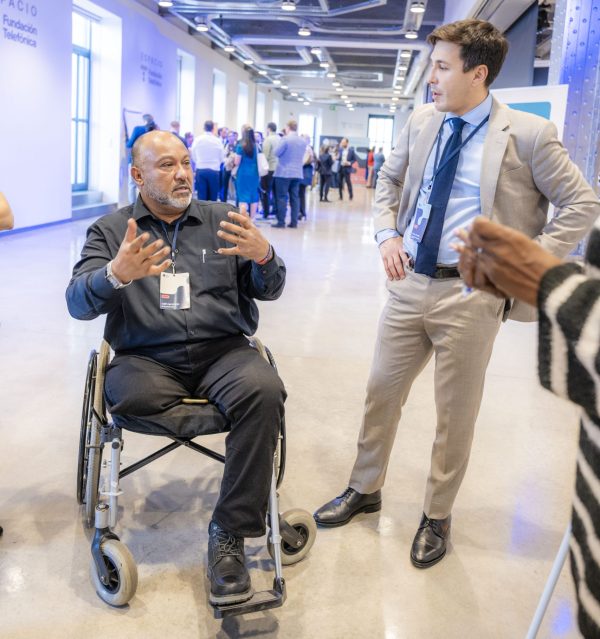
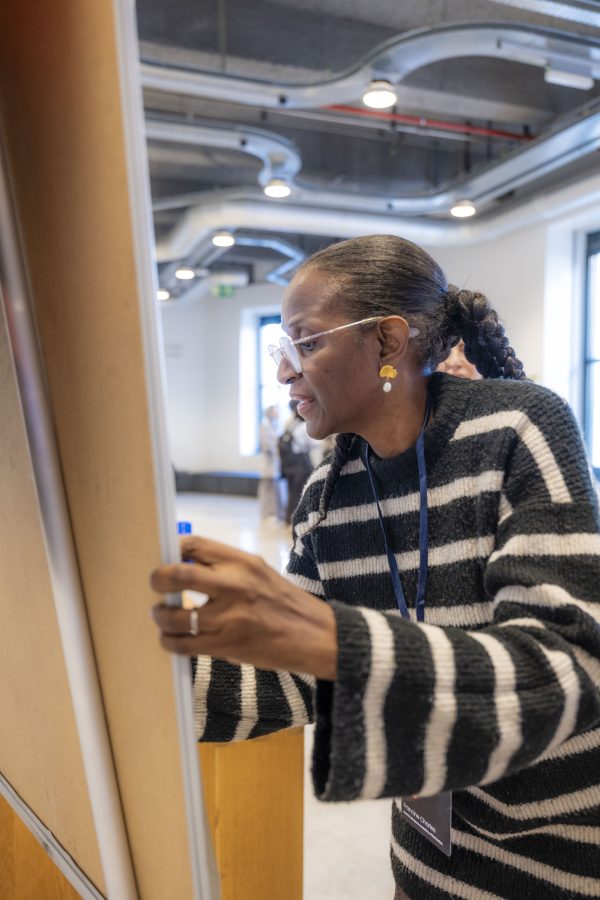
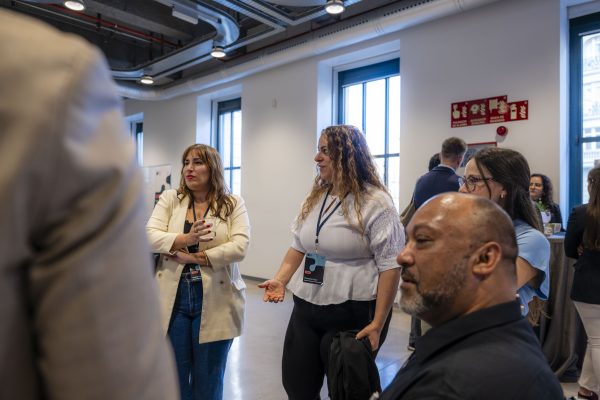
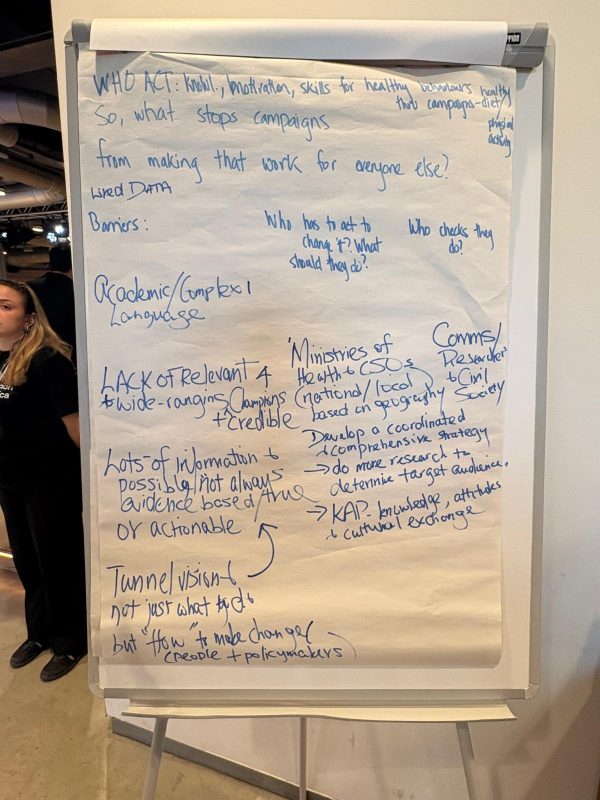
Anthony Armenta (Communications lead, Global Think-tank on Steatotic Liver Disease) moderates breakout group on “Behaviour change communications” alongside representatives from International Diabetes Federation (IDF), UNICEF Fix My Food, AstraZeneca, European Coalition for People living with Obesity, Uruguayan Society for the Study of Obesity, Heart & Stroke Foundation of Barbados, and IDF Blue Circle Voices.
For liver health, this goes to the heart of a long-recognised gap. In a global Delphi study led by Prof. Jeffrey V. Lazarus, director of the Global Think-tank, hundreds of experts identified education and awareness as one of six priority domains for tackling the public health threat of fatty liver disease. The 2026 World Health Assembly resolution on SLD calls for greater public awareness, and at our World Health Summit session, participants named unawareness and misconceptions among the biggest barriers to integrating liver health into metabolic care. Awareness grows when trusted voices make an issue relevant, not when information simply increases.
Summary report recording of the breakout session on “Behaviour change communications” by Francine Charles (Programme Manager – Childhood Obesity Prevention Campaign, Heart & Stroke Foundation of Barbados, Inc.).
What it means for the Think-tank
Liver health was present in Madrid. MASLD was named among obesity-related conditions in the media workshop, with journalists who have followed the Think-tank’s work. Primary care, food environments and cities are where both responses meet.
Wetzel argued that obesity must be a political priority, not only a health priority. We agree, and the same must hold for liver health. In the lead-up to the UN High-Level Meeting on UHC, the task is not to rank metabolic conditions against each other. It is to ensure governments and all ministries–from health to financing to commerce–see obesity, SLD and related NCDs as connected, and as core to people’s health and wellbeing everywhere.
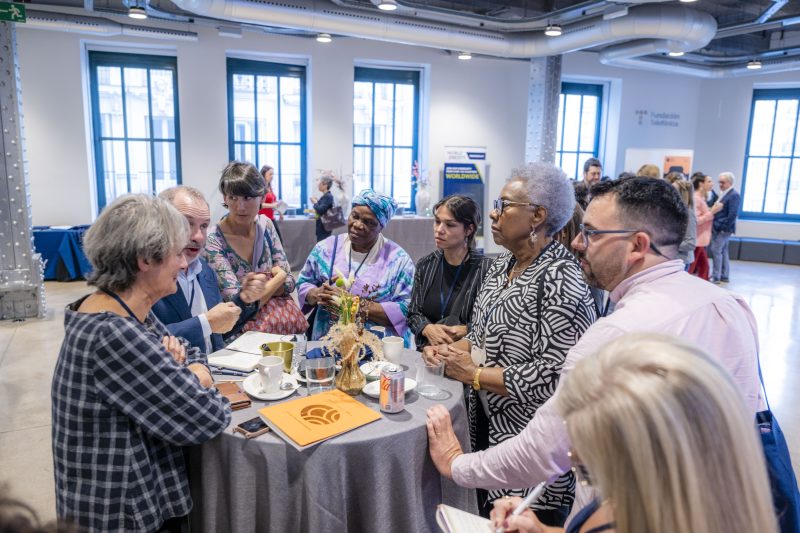
Delfina Boudou represents the Global Think-tank on Steatotic Liver Disease during the breakout session on “Early food environments for infants and young children”, alongside members from Ligue nationale Contre l’Obésité Université Paris-Saclay, Gasol Foundation, NCD Alliance, Zambia Heart and Stroke Foundation and Roche.
The Think-tank, together with its partners, will take these insights forward:
- strengthening stakeholder engagement,
- building broader coalitions across the metabolic health community,
- and shaping policy that brings liver health into the wider response.
Our explainer on the relationship between obesity and MASLD, developed with the support of our Scientific Committee, is one step in that direction.